Article Summary
The correct wine glass shape is crucial for maximizing flavor, as the design controls how aromas are released and where the wine lands on your palate. Large, broad bowls are ideal for complex reds to allow aeration, while smaller, narrower glasses help maintain the temperature and focus the acidity of white wines. Choosing the right glassware acts like a lens, enhancing a wine's intended characteristics to deliver a superior tasting experience.
The right glass can transform a good wine into a great one. Believe it or not, the shape of your wine glass can seriously affect how a wine smells, tastes, and feels. This guide will walk you through the most common wine glass shapes and what they’re best for, helping you upgrade your sipping experience.
Why Glass Shape Matters
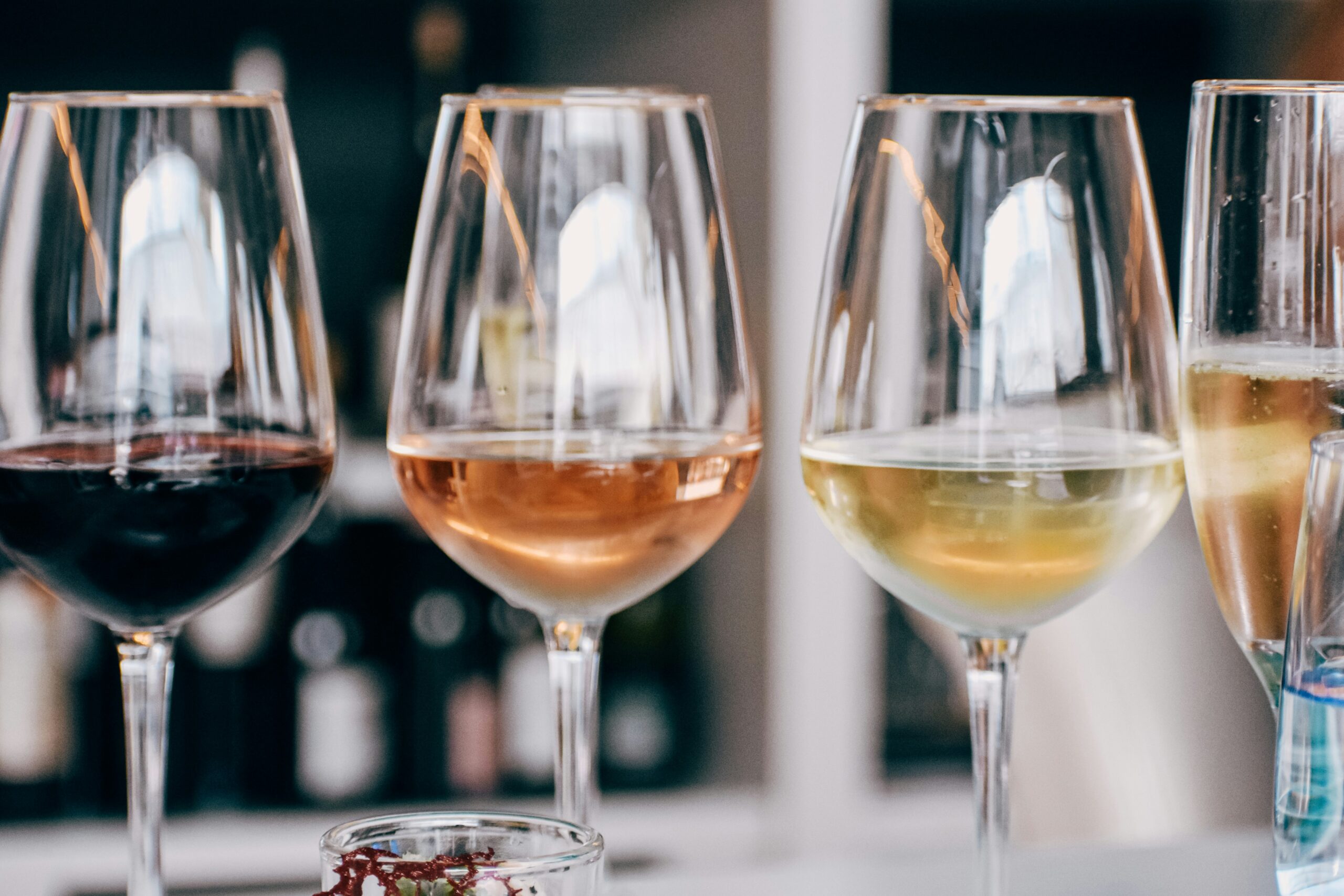
It’s not snobbery—it’s science. The design of a wine glass influences how aromas are released, where the wine hits your palate, and how much oxygen interacts with the liquid. A well-designed glass can highlight fruitiness, soften tannins, or accentuate acidity, depending on the wine style you’re enjoying.
Red Wine Glasses
Red wines are typically served in larger glasses to allow air to interact with the wine, which helps soften powerful flavours and release complex aromas.
Bordeaux Glass
- Description: Tall with a broad bowl and slightly tapered rim.
- Best For: Bold, full-bodied reds like Cabernet Sauvignon, Merlot, and Syrah.
- Function: The height directs the wine to the back of your mouth, which helps you better perceive the wine’s structure and tannins.
Burgundy Glass
- Description: This bowl is wide and rounded, almost balloon-like.
- Best For: Delicate reds like Pinot Noir.
- Function: The large surface area allows more oxygen exposure to tame acidity and enhance the wine’s aromatic complexity, coaxing out subtle floral and earthy notes.
Universal Red Wine Glass
- Description: Mid-sized with a slightly tapered rim.
- Best For: A versatile choice for everything from Grenache to Nebbiolo.
- Function: If you’re only going to own one red wine glass, this offers a balanced middle ground.
White Wine Glasses
White wine glasses are generally smaller than red wine glasses, which helps maintain a cooler serving temperature and focuses on preserving the wine’s delicate freshness and acidity.
Standard White Wine Glass
- Description: Smaller than its red counterpart with a narrow to medium bowl.
- Best For: Crisp, unoaked whites like Sauvignon Blanc, Pinot Grigio, and unoaked Chardonnay.
- Function: Helps maintain temperature and directs the wine to the sides and tip of your tongue to emphasise freshness and acidity.
Chardonnay Glass
- Description: Slightly larger than the standard white wine glass with a wider bowl.
- Best For: Richer, barrel-aged whites, primarily oaked Chardonnay.
- Function: The wider bowl accommodates the wine’s rich texture, allowing those buttery, toasty notes to fully shine.
Aromatic White Glass
- Description: Features a narrow rim to concentrate aromas.
- Best For: Highly aromatic wines like Riesling and Gewürztraminer.
- Function: Concentrates floral and fruity aromas while helping to balance the perception of sweetness and acidity.
Sparkling Wine Glasses
The focus for sparkling wine glasses is to preserve the carbonation and showcase the beautiful stream of bubbles.
Flute
- Description: Tall and narrow.
- Best For: Dry styles like Brut Champagne, Cava, or Prosecco.
- Function: The classic design preserves carbonation and showcases the bubbles, though it’s less effective at revealing complex aromas.
Tulip Glass
- Description: A more modern choice with a slightly wider bowl than a flute.
- Best For: Vintage or high-quality sparkling wines.
- Function: It still captures the bubbles but offers more room for aromatic development. A favourite among sommeliers.
Couple
- Description: Shallow bowl with a wide rim.
- Best For: Cocktails or Gatsby-themed parties (more form than function).
- Function: The design leads to quick bubble loss and diluted aromas, so it’s not ideal for serious sparkling wine enjoyment.
Speciality Wine Glasses
Dessert and Fortified Wine Glasses
These are generally small to control serving portions of high-alcohol or sweet wines while concentrating their intense aromas.
- Port Glass: Small with a narrow opening, designed for fortified wines.
- Dessert Wine Glass: A petite option perfect for late harvest wines, Sauternes, or Icewine.
Stemless Glasses and Tumblers
- Description: Casual, sturdy, and often dishwasher-friendly.
- Best For: Picnics or low-key evenings.
- A Caveat: Your hand warms the bowl, which can be a problem for temperature-sensitive wines like crisp whites.
One-Glass-Fits-All (The Universal Glass)
If minimalism is your thing, a universal wine glass with a medium-sized bowl and gently tapering rim can suit most wine styles. It won’t maximise every nuance, but it offers a solid middle ground for red, white, and rosé wines.
Final Pour
You don’t need a dozen different glasses to enjoy wine, but using the right shape can elevate even a humble bottle. Think of your glass as a lens: it can sharpen, blur, or distort what’s inside. Consider giving your next pour the shape it truly deserves!