Article Summary
It is not necessary to be a sommelier to understand a wine label, as these labels function as informative roadmaps that can be broken down into essential elements. The front label acts as a promotional poster with the brand and region, while the back label provides critical details like tasting notes, food pairings, and production claims. Smart wine shopping focuses on key components such as the producer/brand name, varietal (grape), region/appellation, vintage, and Alcohol by Volume (ABV), while being wary of unregulated terms like "Reserve" or "Old Vines."
You’re standing in the wine aisle of your local supermarket or independent merchant, your eyes quickly scanning an endless parade of bottles. Labels flash past with elaborate gold foil, elegant fonts, and grand phrases like “Grand Vin,” “Estate Bottled,” or “Réserve Spéciale.” Some labels seem to whisper promises of exclusive sophistication; others look like they belong on a novelty tea towel. The critical question remains: How are you supposed to know what’s actually inside the bottle?
The excellent news is you absolutely don’t need to be a qualified sommelier to make perfect sense of a wine label. They might appear cryptic or overly complicated initially, especially those from traditional European regions, but once you know the essential elements to look for, they become surprisingly informative roadmaps. Let’s break down the common elements, piece by crucial piece, using terminology common to the UK market.
Understanding Your Wine Bottle!!!
Think of the label as having two distinct parts, each with its own job.
Front Label vs. Back Label: A Tale of Two Sides
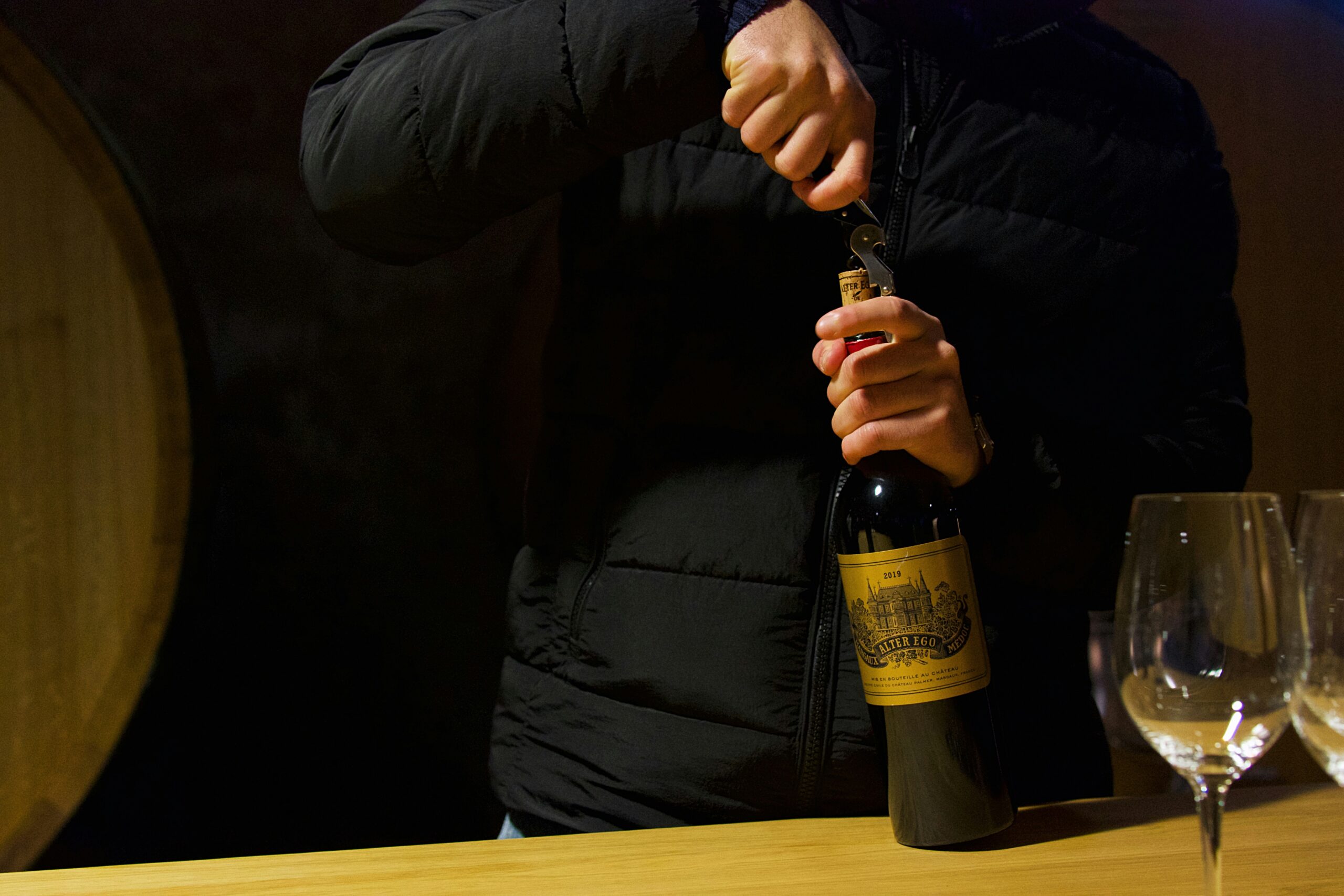
The front label is the wine’s promotional poster: it’s the immediate, curated first impression designed specifically to catch your eye and convince you to pick it up. It will usually prominently display the brand name, the grape varietal (if a New World wine), and the region of origin, often accompanied by some decorative flourish and design drama.
The back label is where the serious detail resides and things often get more grounded. On this side, you’ll frequently find useful tasting notes, suggested food pairings, the importer’s details (a legal requirement and often a clue to quality), and any specific production claims (such as organic, vegan, or sustainably produced). It’s the place where the marketing gloss is often pared back in favour of genuinely helpful facts—though savvy consumers should still read it with a critical eye
Key Information to Scrutinise on a Wine Label
Understanding these core components is the foundation of smart wine shopping:
Producer or Brand Name
This is typically the largest or boldest text on the label. It tells you who made the wine, whether it’s a small, historic, family-run estate (Domaine/Château) in Bordeaux, or a large, high-volume brand from Australia or California. If you trust the producer’s reputation, this is a strong indicator of quality and style consistency.
Varietal (Grape Type)
Look for familiar terms like Cabernet Sauvignon, Sauvignon Blanc, Merlot, or Pinot Grigio. These explicitly tell you what primary grape(s) the wine is made from. Be aware that many wines are blends of multiple grapes and may not list all of them, which is especially common in Old World regions where the blend is defined by tradition.
Region/Appellation
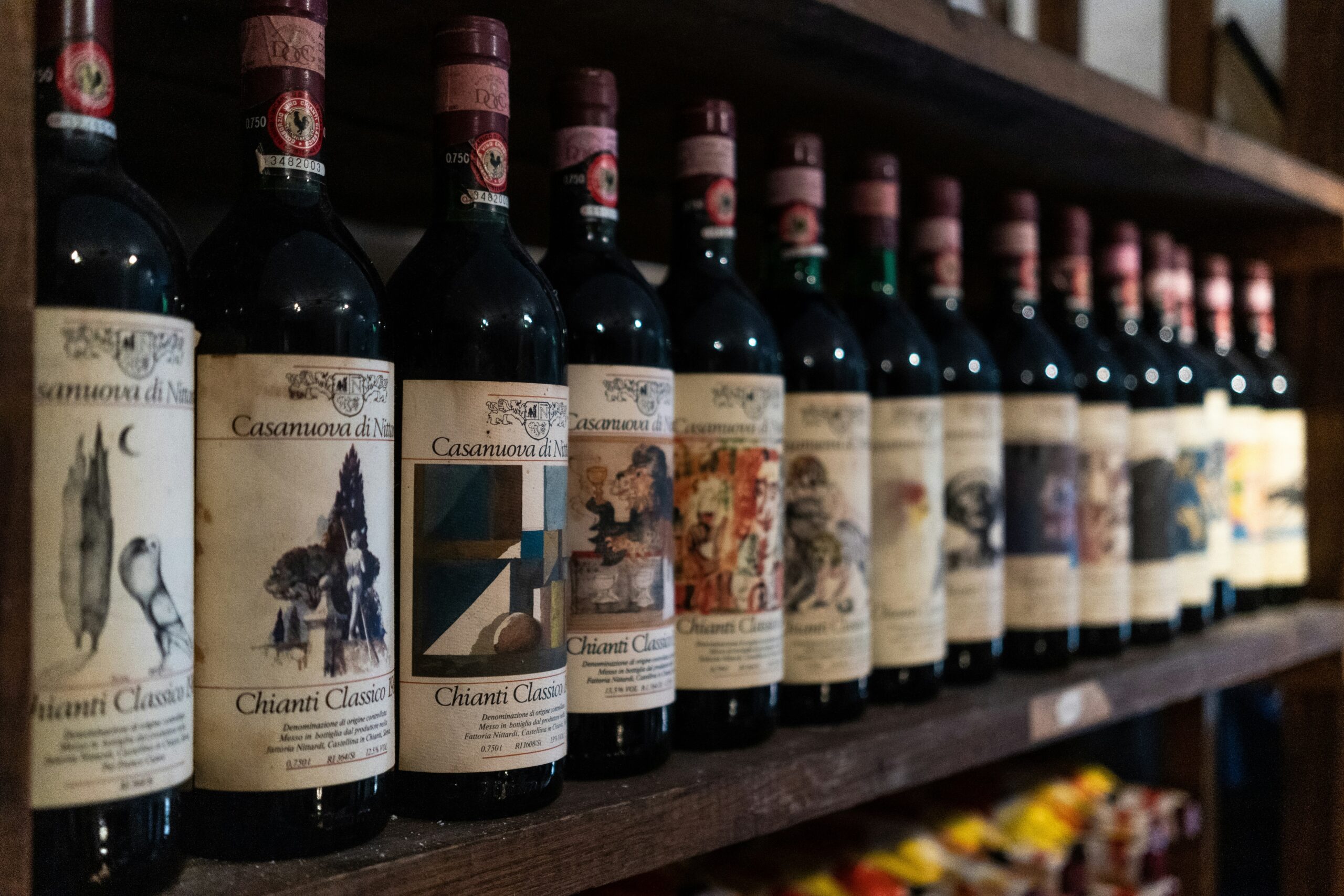
This crucial element indicates precisely where the grapes were grown. Names like Napa Valley, Chianti Classico, Sancerre, or Bourgogne are much more than mere geography—they powerfully suggest specific climates, soil types (terroir), and established winemaking styles. In Europe, the regional name often implicitly dictates the grape variety, too (e.g., if it says Sancerre, the wine is almost certainly made from Sauvignon Blanc). This leads to a key distinction:
- Old World Labels (e.g., France, Italy, Spain): Often emphasise the Region over the Grape.4 Tradition and Terroir are paramount.
- New World Labels (e.g., Chile, South Africa, New Zealand): Typically lead with the Grape Name (Varietal) because they are focused on style and flavour expectations.5
Vintage
This is the year the grapes were harvested. Since the climate and weather conditions change annually, the same wine can vary slightly or even significantly depending on the vintage. A non-vintage (NV) wine, which is extremely common in sparkling styles like Champagne or Prosecco, means the wine blends grapes from multiple different harvest years to maintain a consistent house style.
Alcohol by Volume (ABV)
Usually listed as a percentage (e.g., 12.5%, 14%, etc.), this detail legally states how much alcohol is present in the wine. A lower ABV (e.g., 11-12%) often signals a lighter, fresher, and perhaps more acidic wine, while a higher ABV (e.g., 14-15%) typically indicates a fuller-bodied, riper style with greater concentration of flavour.
Wine Classification and Quality Terms
In Europe, these terms denote regulatory oversight and often a certain standard of quality and adherence to traditional methods. For example, in France, you might see AOC (Appellation d’Origine Contrôlée); in Italy, DOC or the top-tier DOCG; and in Spain, DO or DOCa. In the UK, these terms assure the buyer that the wine adheres to rigorous, legally defined standards for that specific region.
Sustainability and Production Terms
Look out for words like “organic,” “biodynamic,” “natural,” or “vegan.” While these terms may indicate how the grapes were grown and how the wine was made, the definitions can be slightly ambiguous or poorly enforced unless they are accompanied by a specific, recognised certification logo.
Buyer Beware: Common Label Traps and Gimmicks
Be wary of words that sound impressive but are not legally regulated in many jurisdictions:
- “Reserve” or “Riserva”: While it implies a better, longer-aged wine, in many countries, this term has no legal definition, making one winery’s “Reserve” equivalent to another’s standard offering.
- “Old Vines” (Vieilles Vignes): Vague at best. Older vines can produce more concentrated, better-quality grapes, but there is no specific rule about how old “old” must be (it could mean 25 years or 100 years).
- Medals and Awards: Don’t let a sticker fool you. Investigate who gave the award—was it a respected international competition or a small, local fair?
- Overly Flashy Design: Do not let excessive gold foil, elaborate crests, or dramatic fonts seduce you into thinking a wine is better than it actually is. Often, a simpler, more classic label design signals greater confidence in the product itself.
The bottom line is that you don’t need to commit every foreign wine term to memory to shop smartly. Focus on the core fundamentals: producer, grape, region, vintage, and ABV. As you explore and taste, you will naturally begin to recognise which names, styles, and regions speak your personal language.
And the next time you’re browsing the aisle, you won’t just be scanning labels. You’ll be reading a story of place, people, and time.