


Article Summary
This article explores the meaning of old vine wines and explains how ancient vineyards produce concentrated flavours through deep root systems and low yields while offering essential buying and tasting tips.
Old vine wines are a common sight on shop shelves, but the term is often misunderstood. Many people see “Old Vines” on a label and assume it is just a marketing trick to raise the price. However, in the world of viticulture, the age of a plant significantly changes the juice it produces.
If you want to understand why old vine wines are different, you have to look at how a grapevine grows over decades. As a vine gets older, it stops focusing on growing leaves and starts focusing on survival. This change in the plant’s life cycle creates a very specific style of wine that younger plants cannot copy.
1. What Is the Definition of Old Vine Wines?
The most important thing to know about old vine wines is that there is no single law that defines them. In the UK and most of Europe, a winery can use the term “Old Vines” whenever they want. Most experts, however, agree that a vine should be at least 35 to 40 years old to earn that title.
In some places, like Australia, the rules are much clearer. The Barossa Old Vine Charter classifies vines into groups starting at 35 years and going all the way up to “Ancestor Vines”, which are over 125 years old.
2. Why Old Vine Wines Have Better Flavour
When a grapevine is young, it is full of energy and produces a lot of grapes. As it ages, its yield naturally drops. This means the plant produces fewer bunches of grapes each year.
Because the vine has fewer grapes to take care of, it puts all its nutrients and sugar into that small amount of fruit. This makes old vine wines taste more concentrated and “thick” compared to wines made from younger, high-producing vines.
3. The Power of Deep Roots in Ancient Vineyards
A major reason for the quality of old vine wines is the root system found in ancient vineyards. A young vine has roots near the surface. An old vine can have roots that can penetrate up to 30 feet into the ground.
- Consistency: Deep roots find water even during a drought. This makes the quality of the wine more consistent year after year.
- Balance: Deep roots pull minerals from different layers of soil, which many winemakers believe adds complexity to the final bottle of old vine wines.
4. How History Shapes the Bottle
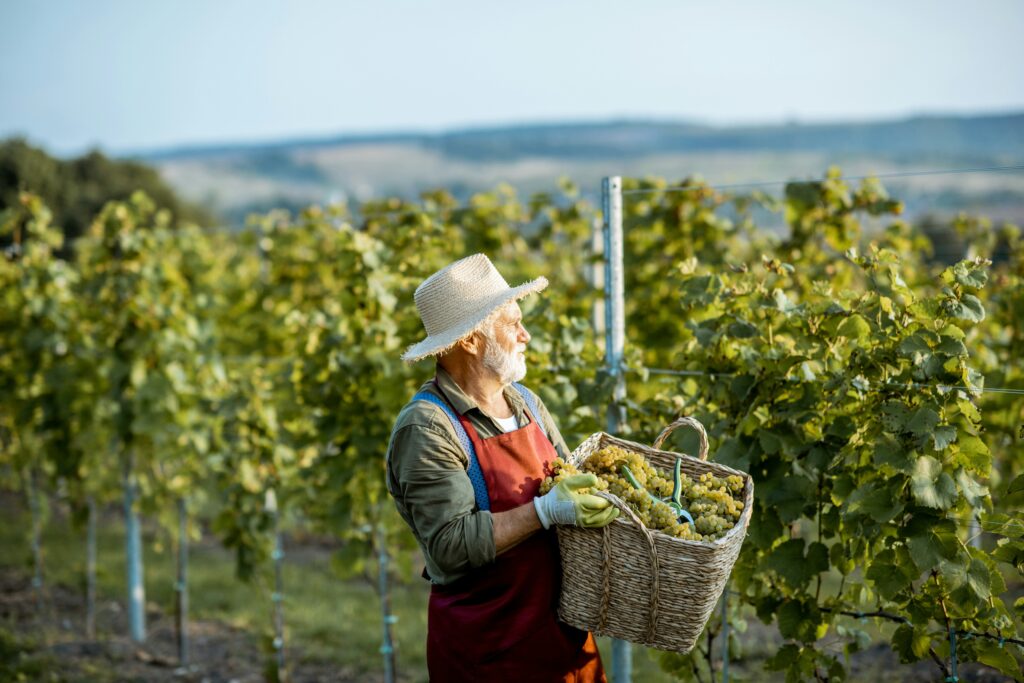
Most of the world’s ancient vineyards survived a massive insect plague called Phylloxera in the 1800s. This bug killed millions of vines across Europe. The old vine wines we drink today come from the rare plants that survived because of lucky soil conditions or isolated locations. Because these vines are so rare, they are treated with incredible care by vineyard managers.
5. Identifying Real Old Vine Wines
Because the label isn’t always regulated, you have to be a smart shopper. Look for these specific terms on the bottle to ensure you are getting a high-quality product:
- Vieilles Vignes: This is French for old vines.
- Vinhas Velhas: This is Portuguese for old vines.
- Heritage Vineyards: In South Africa, this means the vines are certified as 35 years or older by the Old Vine Project.
6. Do Old Vine Wines Cost More?
Yes, they usually do. Since an old vine produces very few grapes, the farmer makes less money per acre. To stay in business, they have to charge more for the bottle. When you buy old vine wines, you are paying for the rarity of the fruit and the extra labour required to keep ancient plants healthy. It is a choice of quality over quantity.
7. Common Grapes for Old Vine Wines
Some grapes handle old age better than others. Certain varieties are famous for their ability to stay healthy for over a century. If you want to try the best examples of old vine wines, look for these varieties:
| Grape | Region | Character |
| Primitivo | Puglia, Italy | Rich, high alcohol, and very dark fruit. |
| Aglianico | Campania, Italy | Firm tannins with “volcanic” mineral notes. |
| Nerello Mascalese | Sicily, Italy | Elegant, red-fruited, from Mt. Etna’s slopes. |
| Zinfandel | California, USA | Spicy, jammy, and bold. |
| Grenache | Spain and France | Very smooth with ripe berry flavours. |
Expert Wine Tasting Tips for Old Vines
When you are ready to open your bottle, follow these wine tasting tips to get the most out of your purchase:
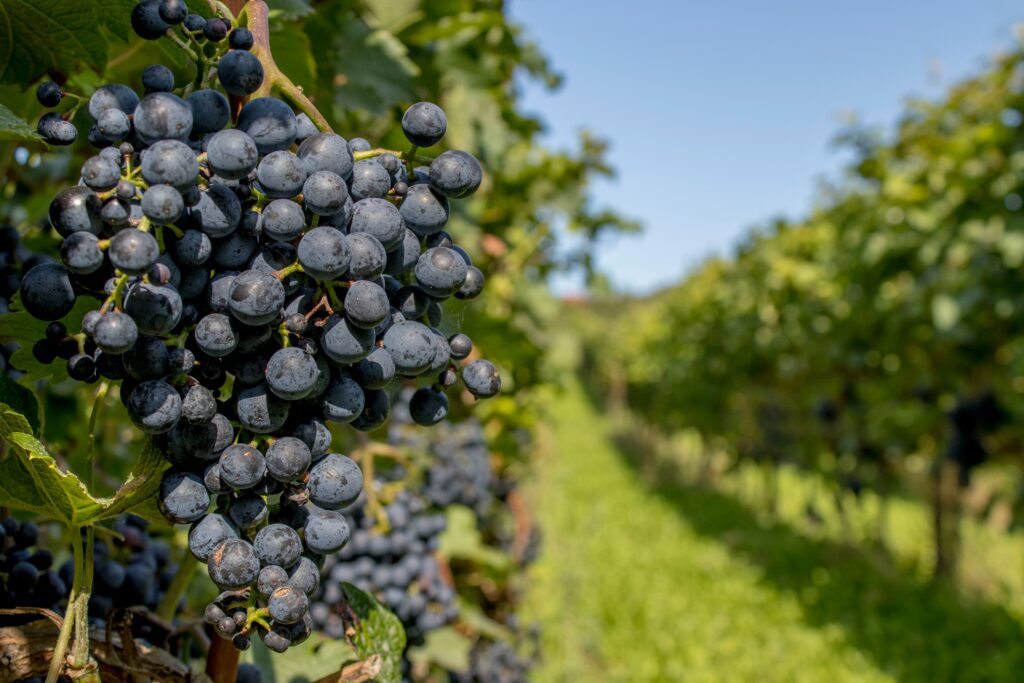
- Decant the Wine: Because old vine wines are often concentrated and complex, they need oxygen to “open up.” Pour the wine into a decanter 30-60 minutes before drinking.
- Watch the Temperature: Don’t drink these reds too warm. Aim for around 16-18°C. If it’s too hot, the alcohol will overpower the delicate flavours.
- Look for Texture: One of the best wine tasting tips for old vines is to focus on the feel. Ancient vines often produce a silky, “seamless” texture on the tongue that young vines lack.

Is It Worth It?
In short, yes. Old vine wines offer a level of balance and depth that young vines simply cannot reach. While they are more expensive, the concentration of flavour usually makes them worth the price for a special occasion. You aren’t just drinking wine; you are drinking history from the world’s most resilient ancient vineyards.