1


Stop overpaying
for wine.
Cut out the middleman and save an average of £550 per year
As featured in


As featured in
Winedrops is for people who hate paying full price
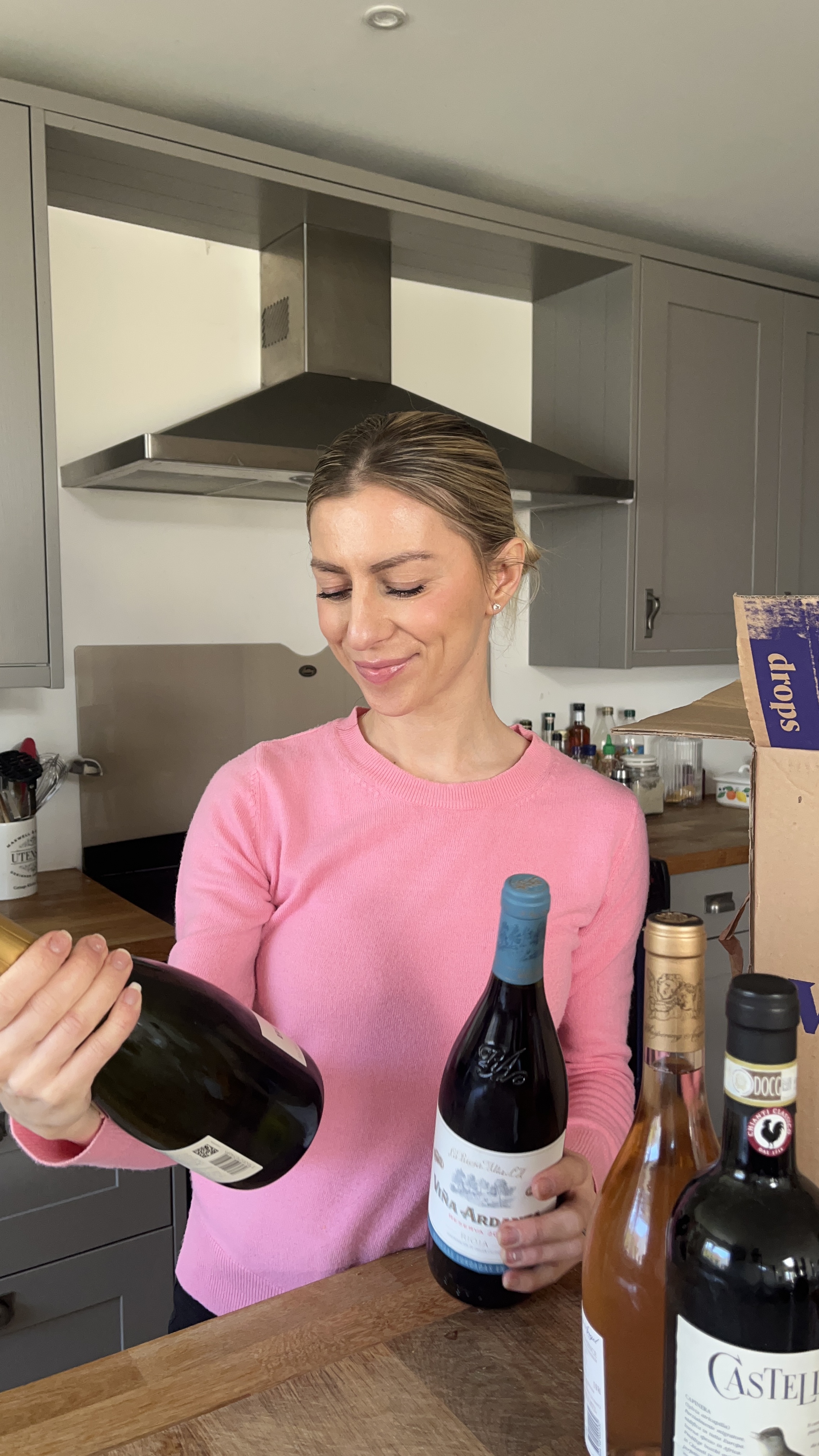
World's biggest brands
Dom Perignon. Veuve Clicquot. Whispering Angel. All your favourites at prices you won't believe.
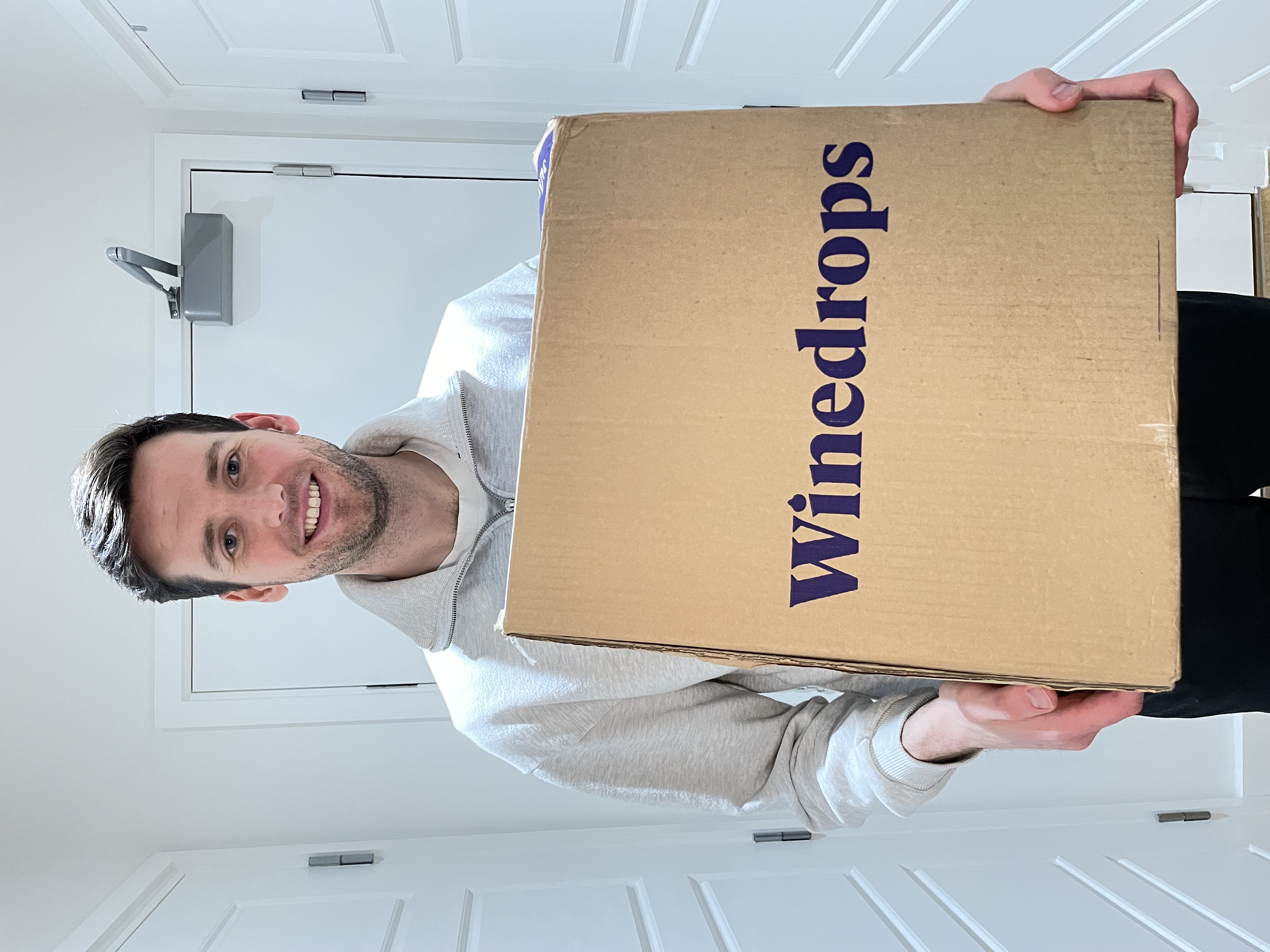
Discounts of up to 80%
We negotiate directly with producers. No middlemen means massive savings for you.

Cut out the middleman
Skip the importers, distributors, and retailers. Buy direct and keep the difference.
Shop the world's best up to 80% off
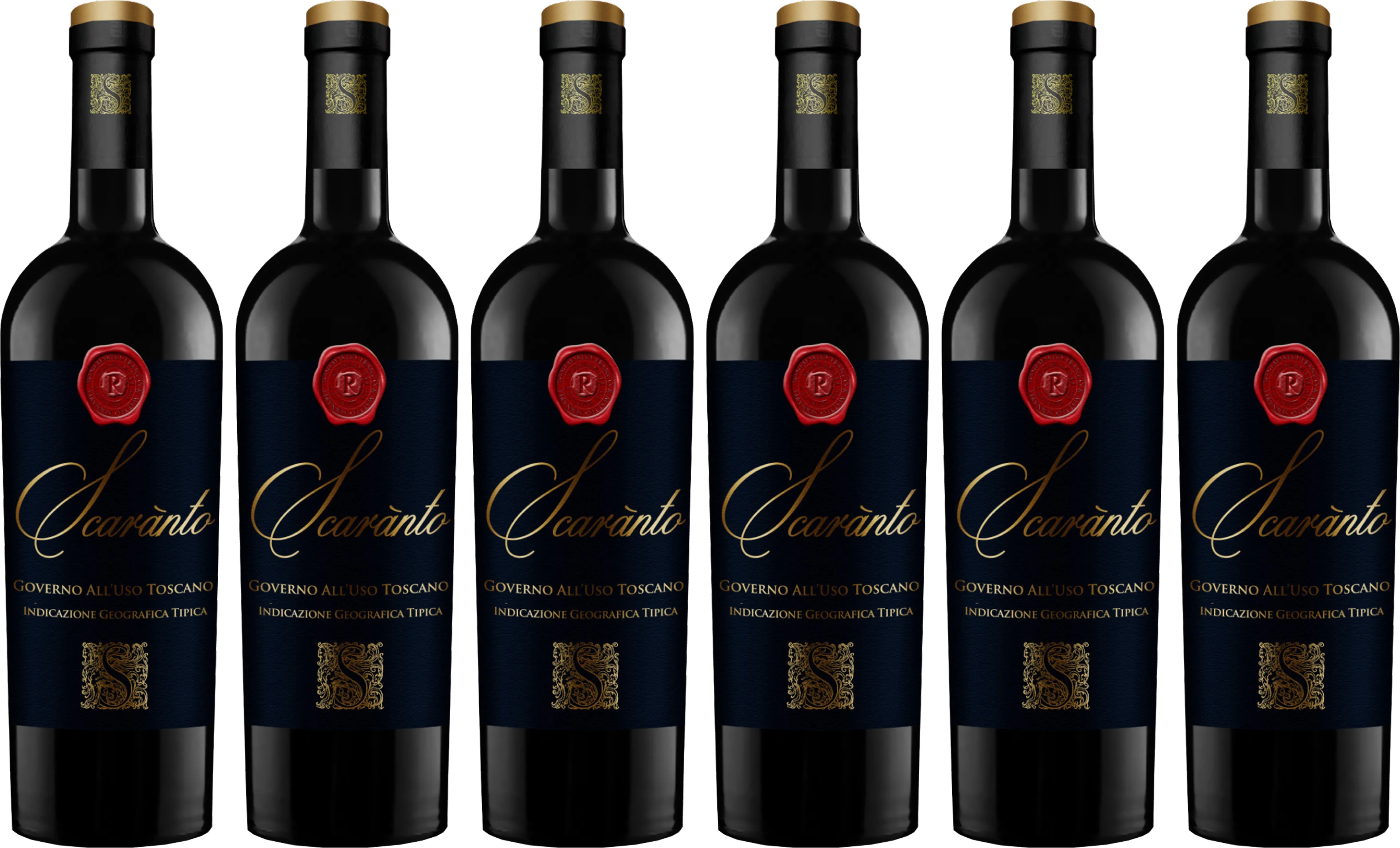
79% off
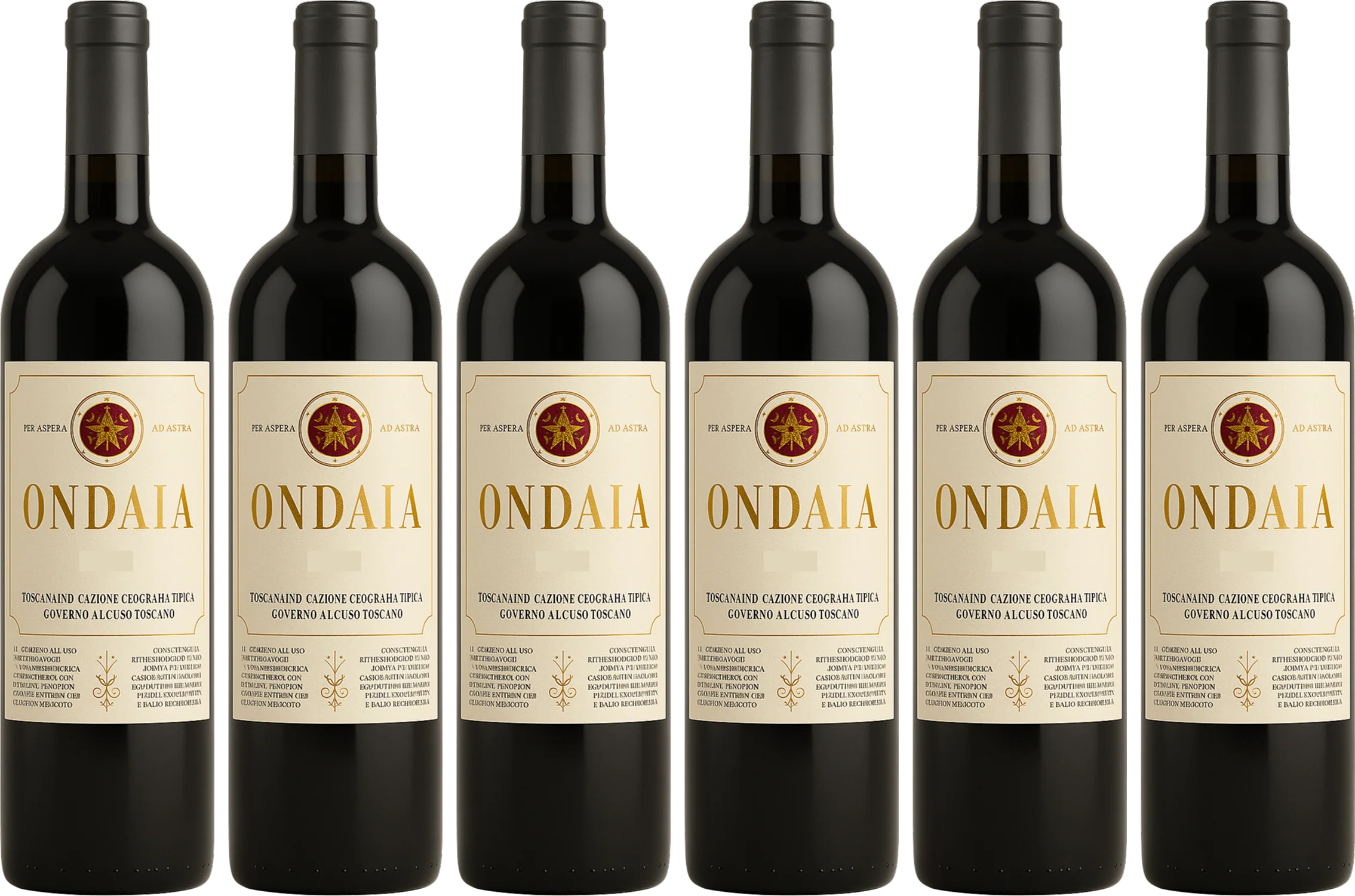
79% off
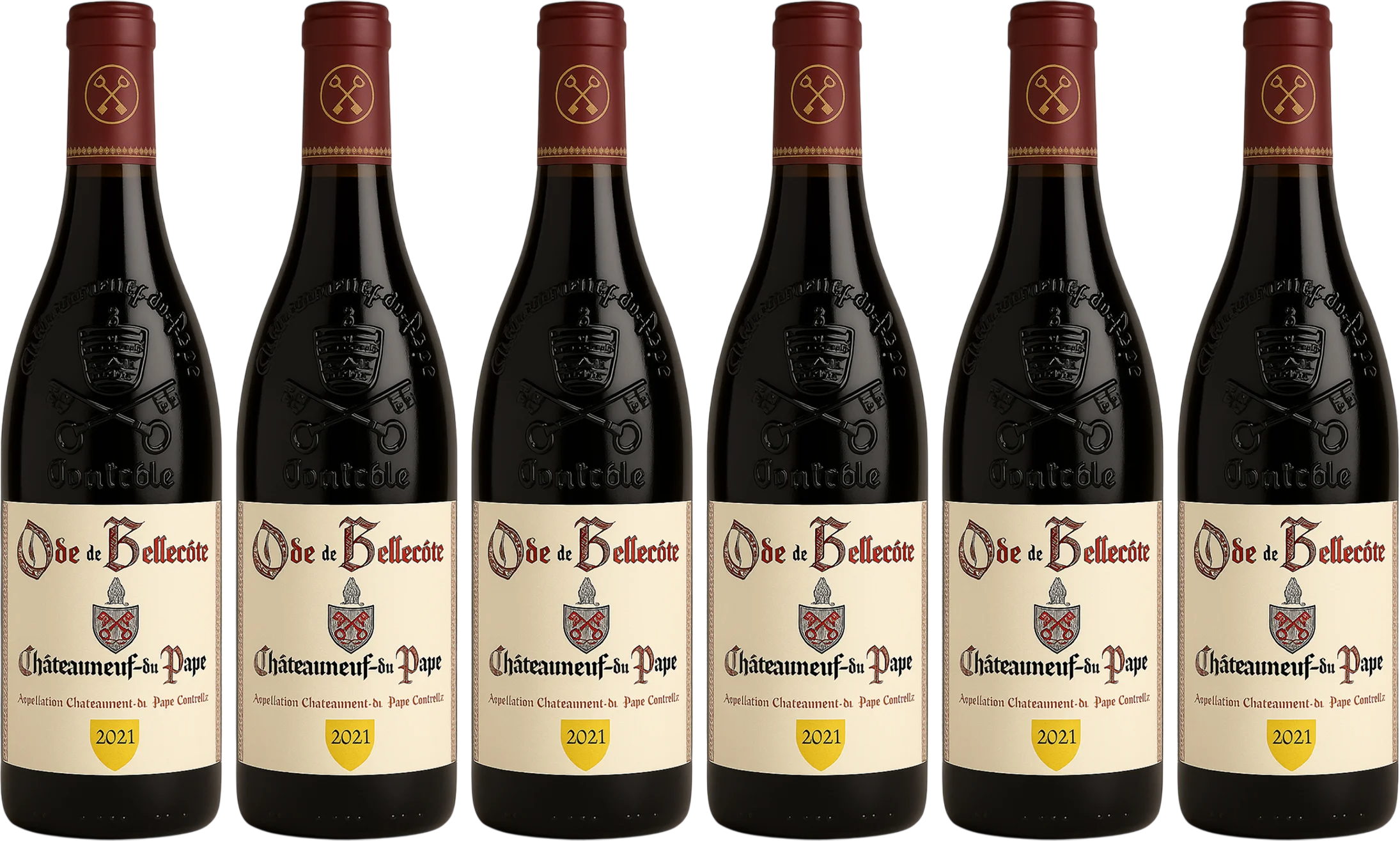
77% off
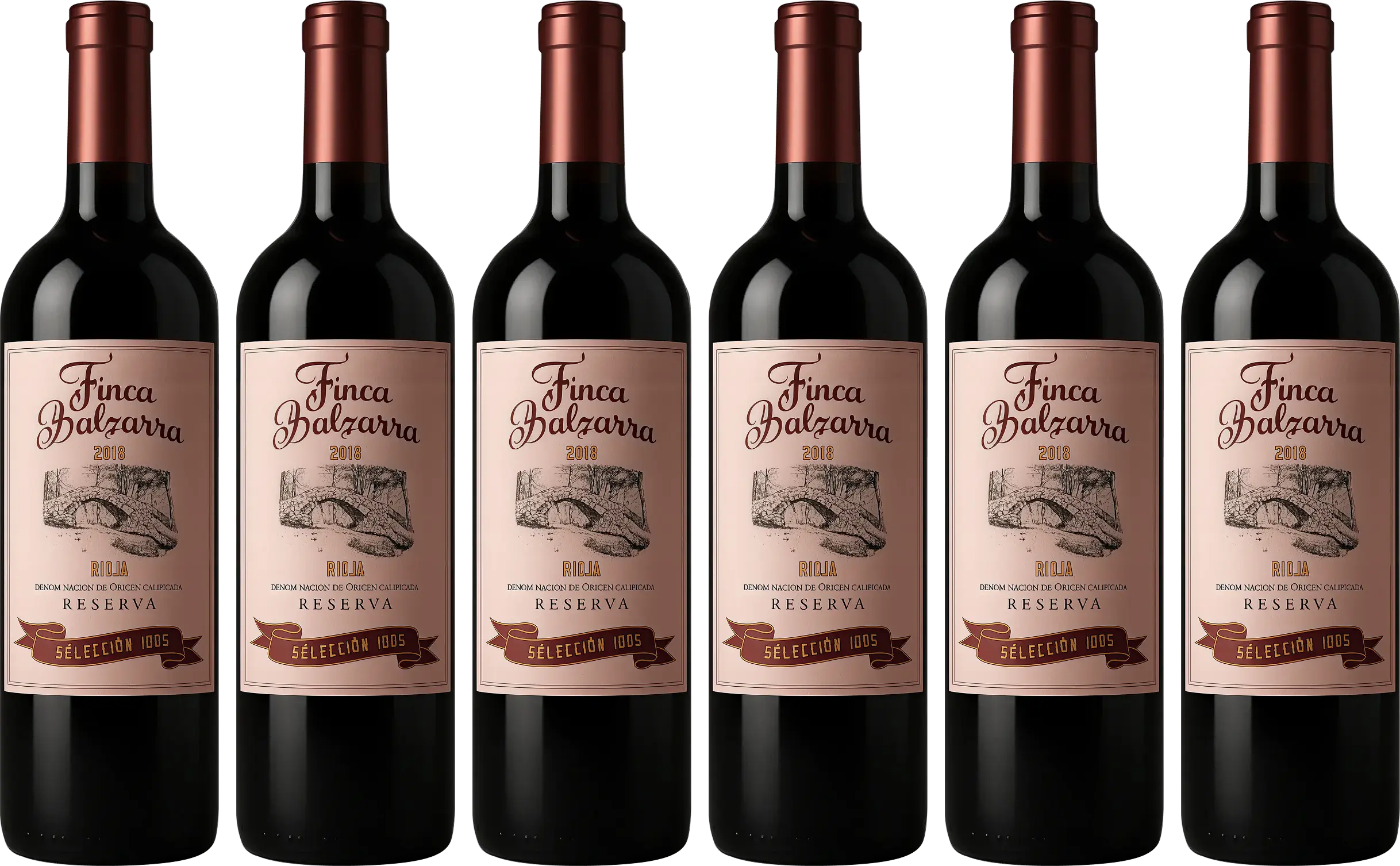
77% off
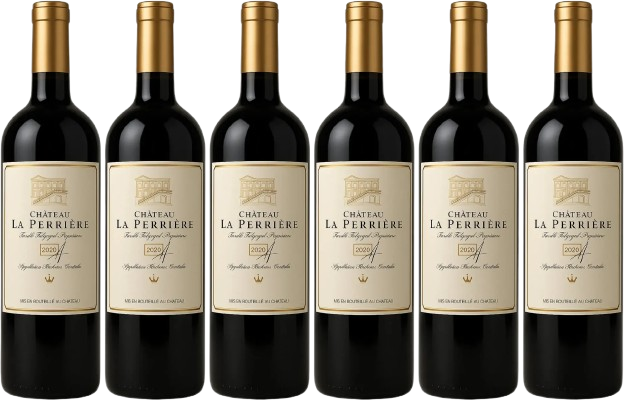
67% off
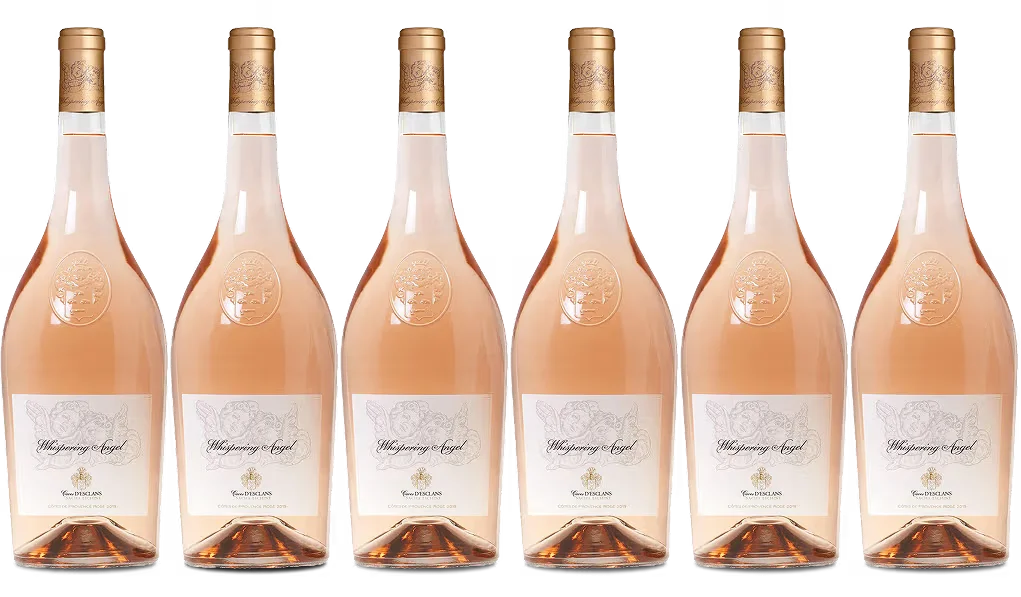
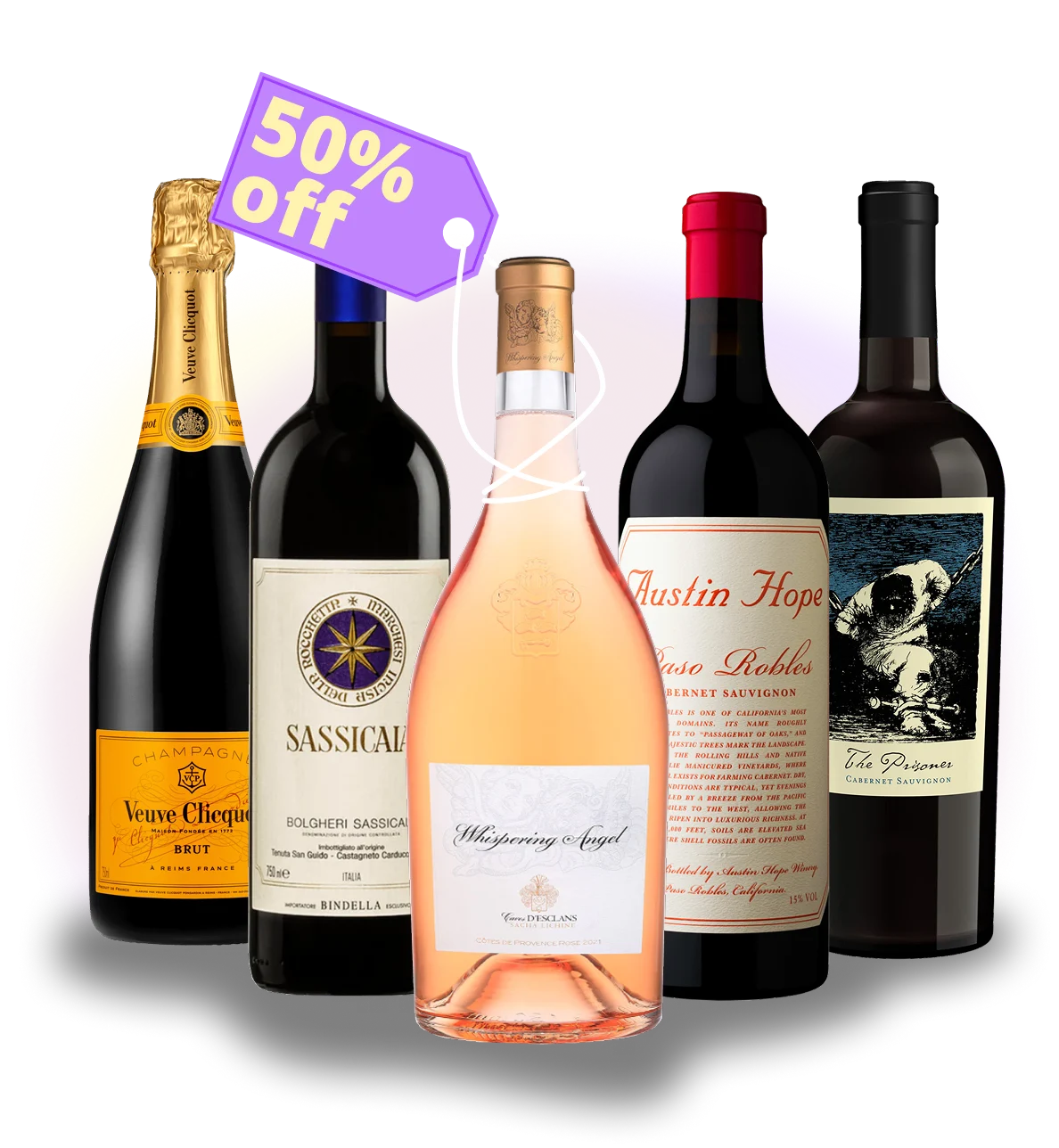
50% off
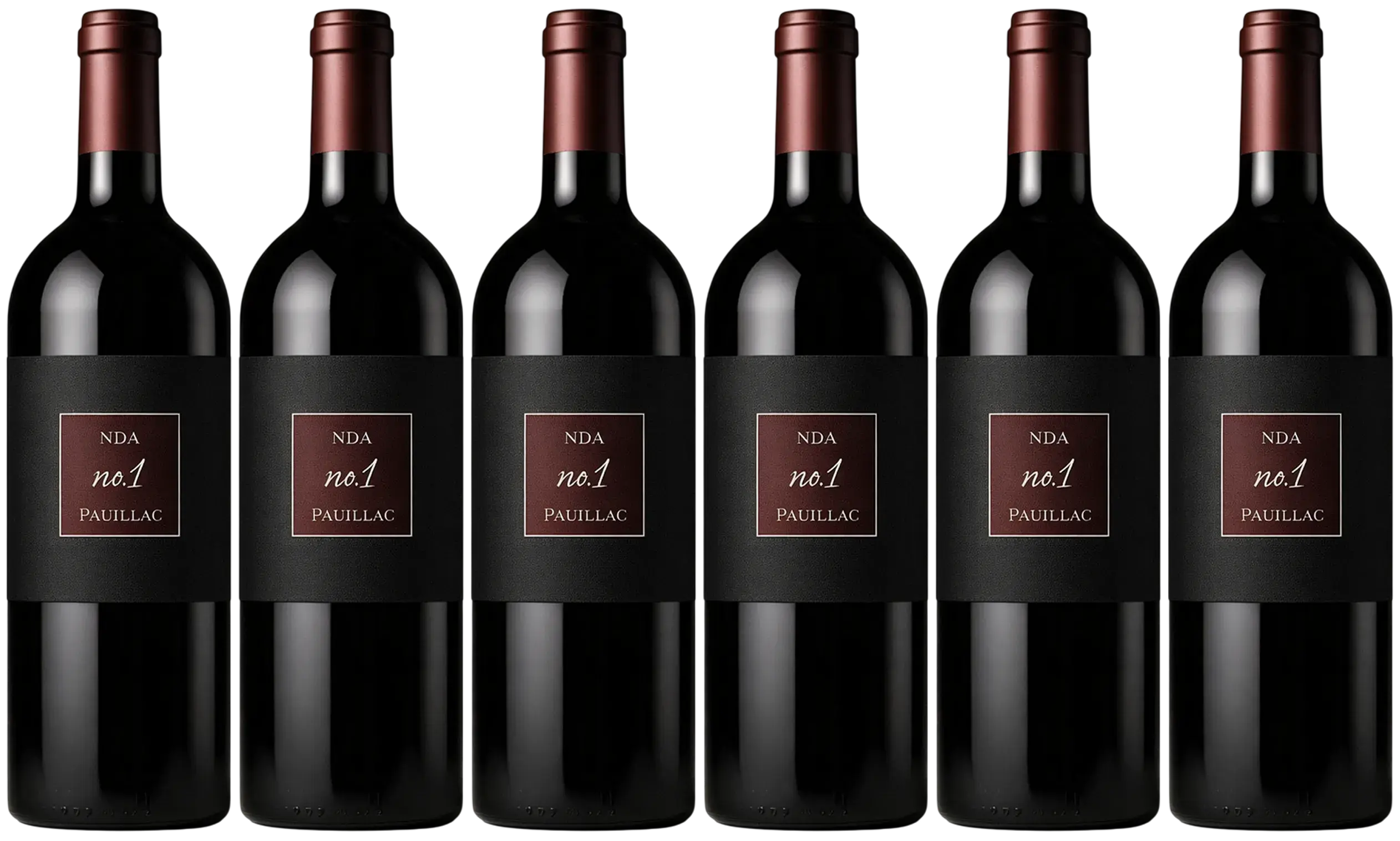
82% off
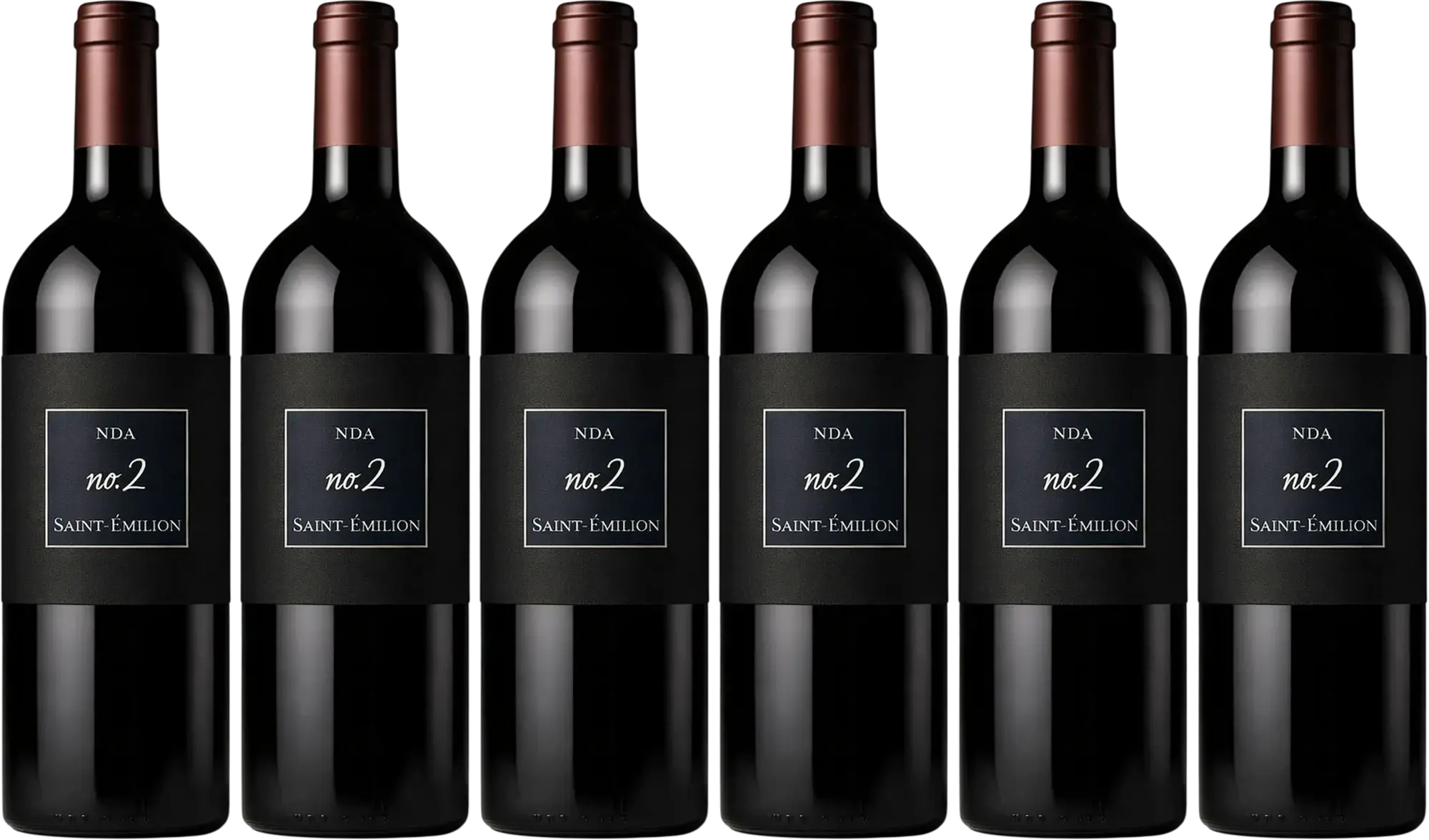
82% off
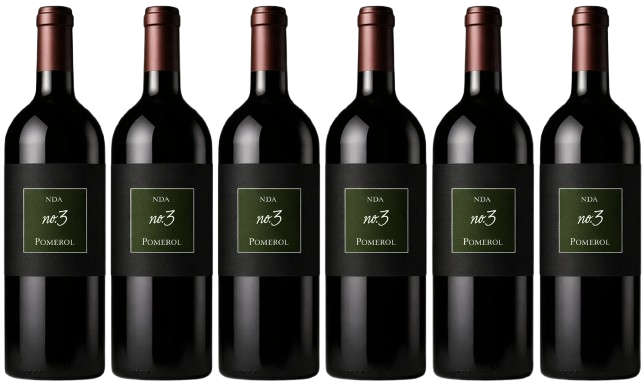
82% off
We've got over 25,000 5 star reviews

10,000
App Store
20,000
Online
4.5
Google Play

100,000+
Downloads
£30 million
Saved by members
Bag big discounts and
track your savings
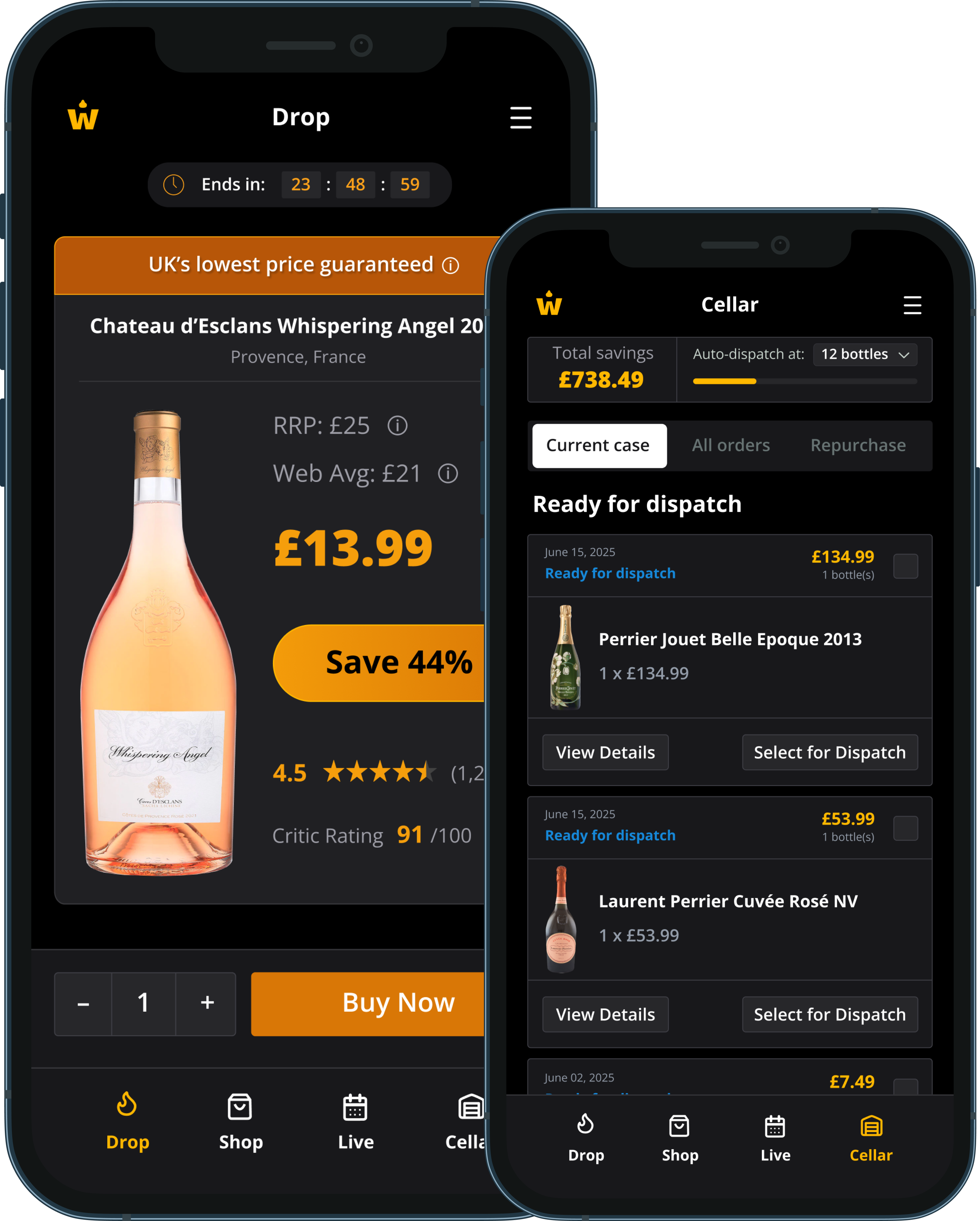
Huge discounts on wines you already love
60% off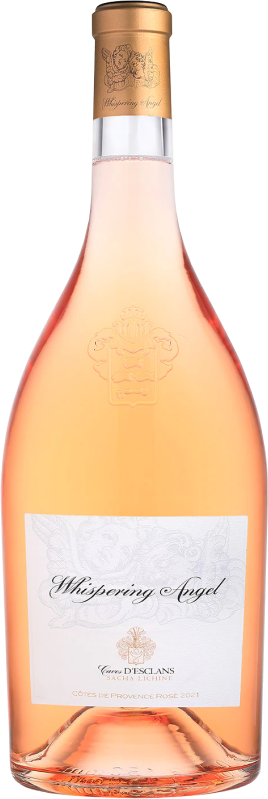
Whispering Angel
45% off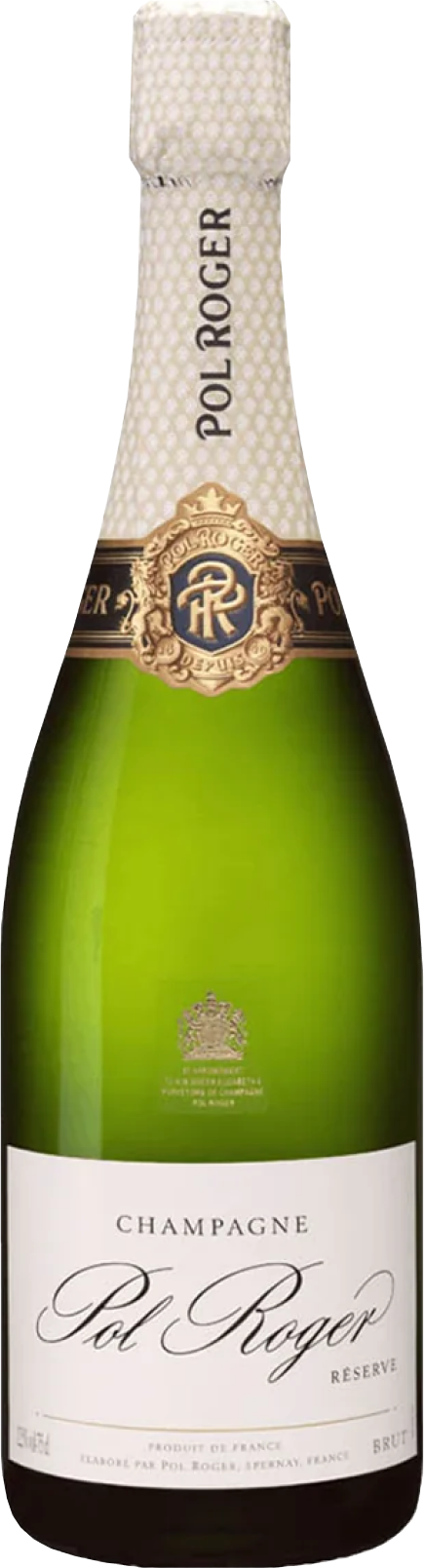
Pol Roger
55% off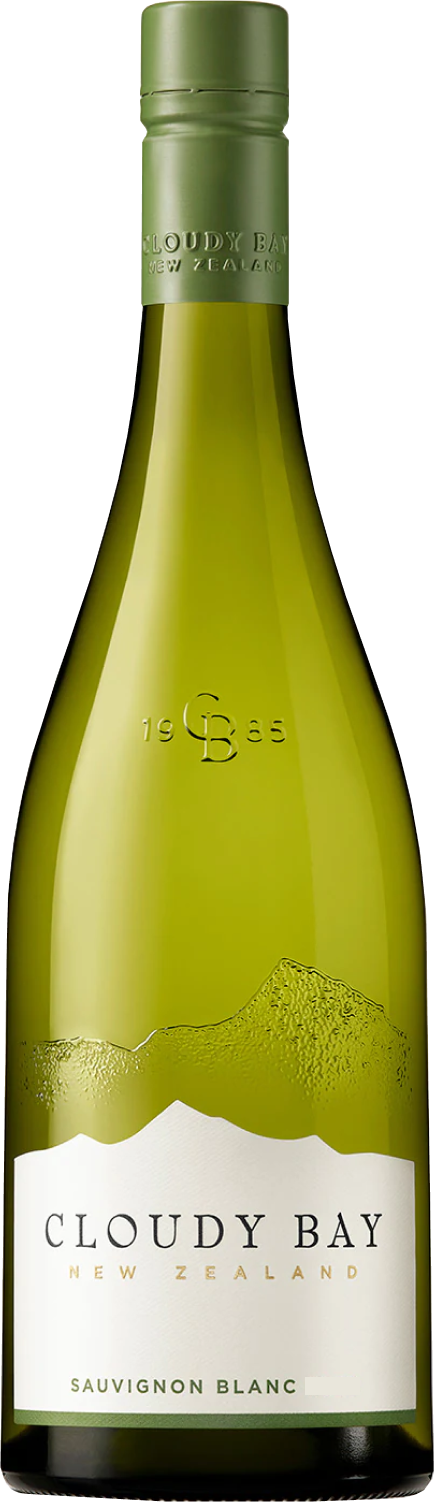
Cloudy Bay Sauvignon Blanc
52% off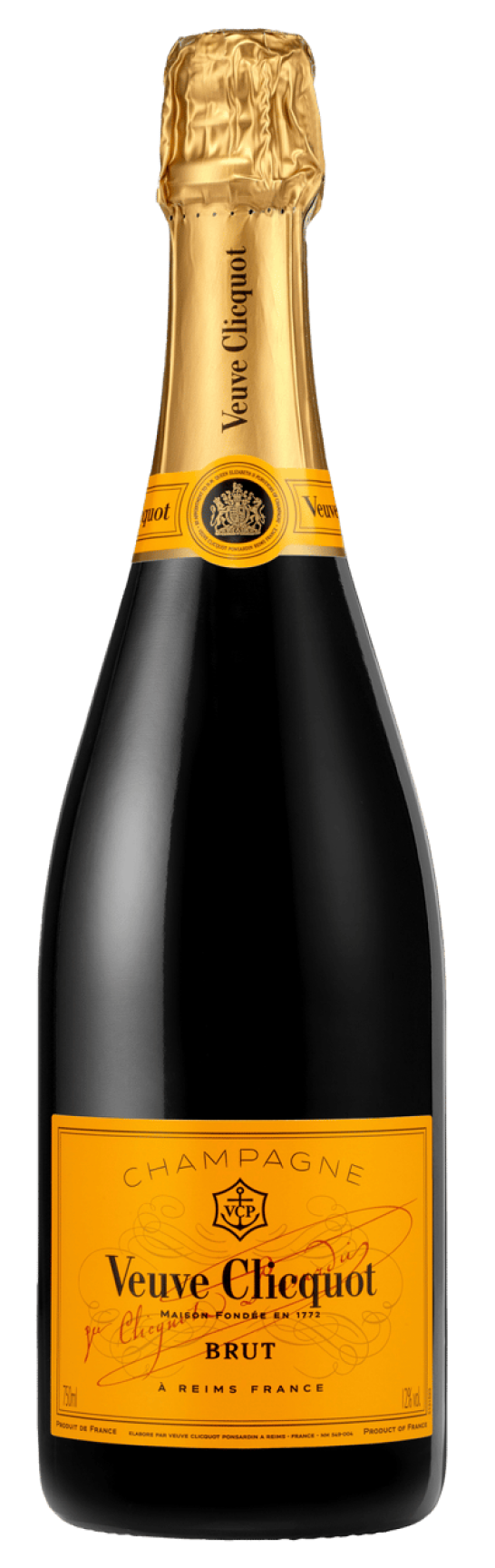
Veuve Clicquot
35% off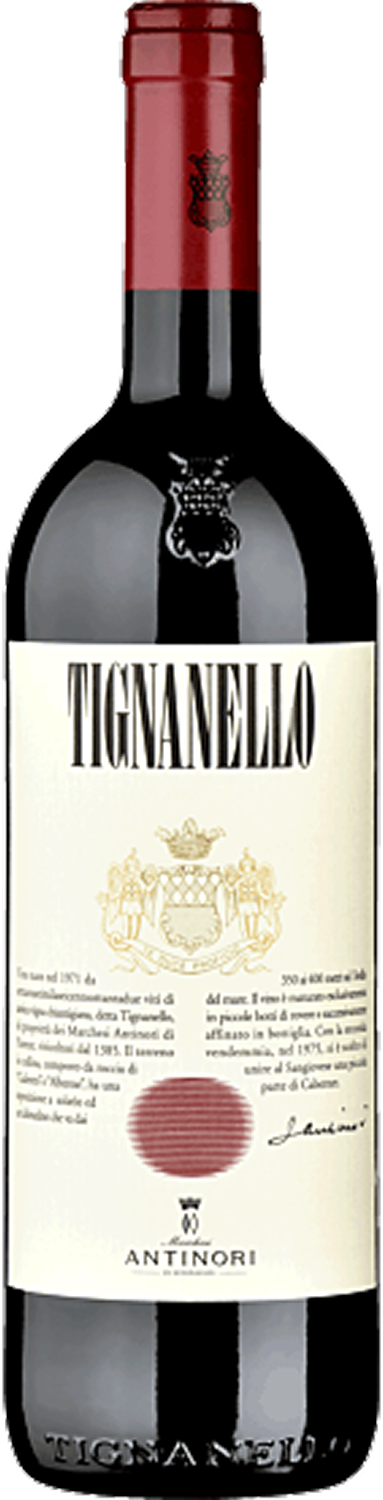
Tignanello
48% off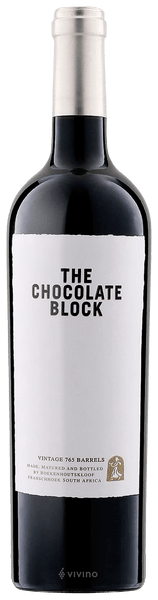
Chocolate Block
43% off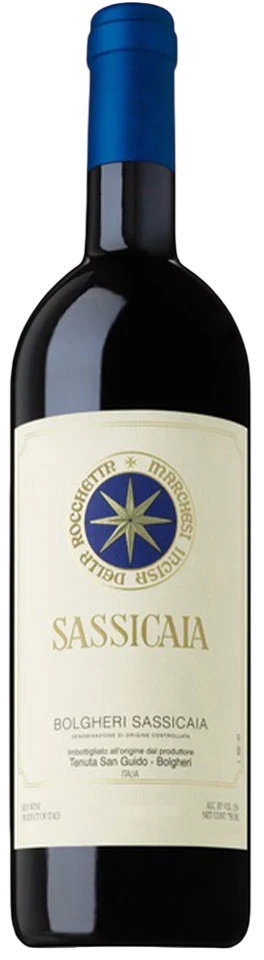
Sassicaia Tenuta San Guido 2022
51% off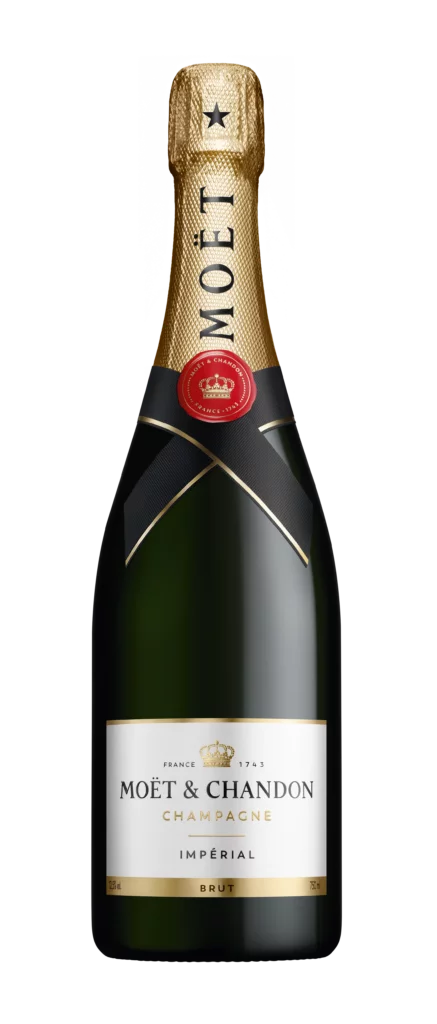
Moet & Chandon Imperial Brut Champagne
80% off
Scaranto Special Edition
49% off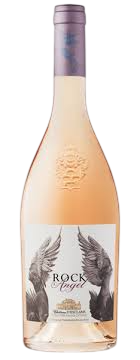
Rock Angel Rose
40% off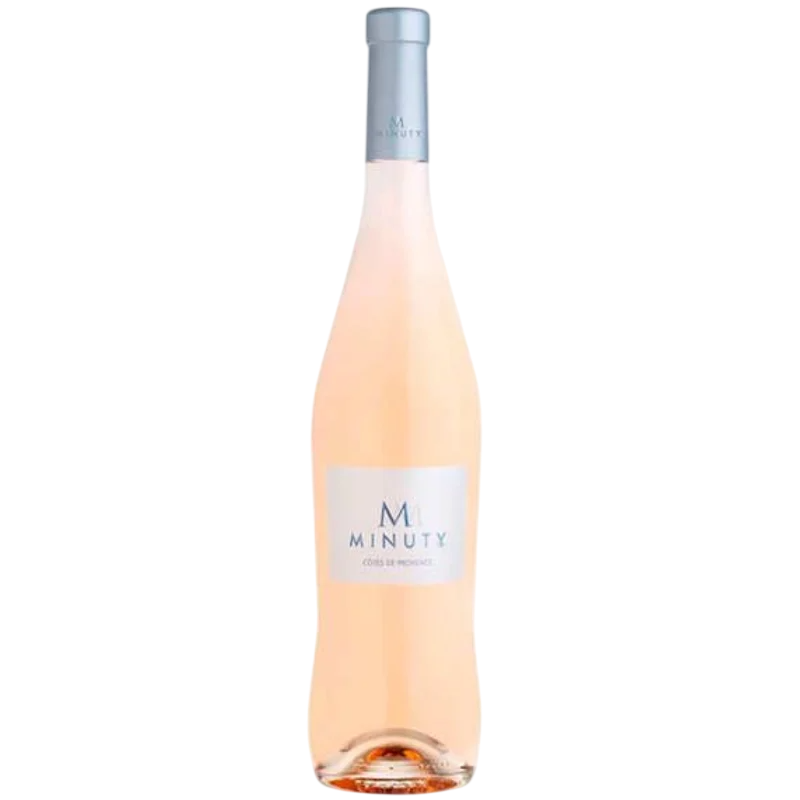
Minuty Rosé
59% off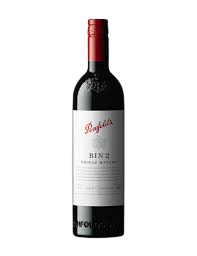
Penfolds Bin 2
60% off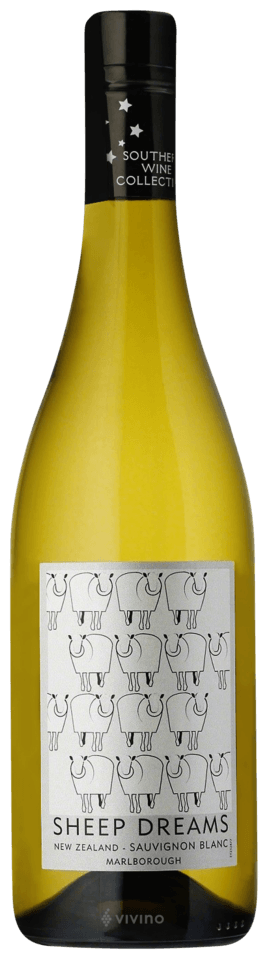
Sheep Dreams Sauvignon Blanc 2024
55% off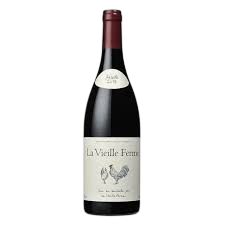
La Vieille Ferme Rouge 2022
38% off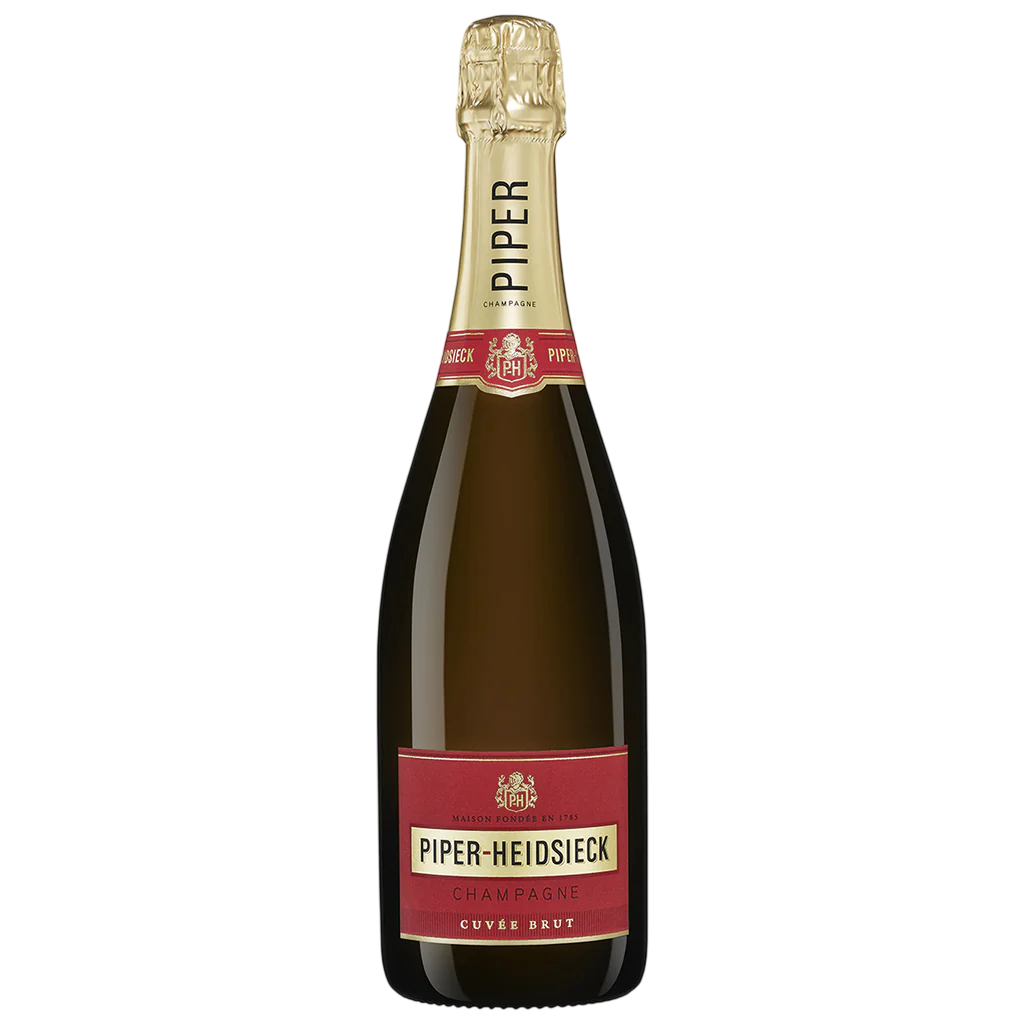
Piper-Heidsieck Cuvee Brut Champagne
Loved by 50,000+ members worldwide
Join thousands of wine lovers who are already saving hundreds every year.

James T.
, London
Sarah M.
, Edinburgh
Emma L.
, Bristol
David K.
, Glasgow
James T.
, London
Sarah M.
, London
Nicolaus W
, Brighton
Haley H
, Windsor
Jack W
, Bristol
Karen L
, Bath
Sarah M.
, London
William M
, Cambridge

Jayson K
, Windsor
Christopher P
, Birmingham
Katie R
, Sheffield
Callum H
, London
Lily W
, Birmingham
Benjamin P
, Manchester
Amelia B
, Cambridge
Olivia F
, Manchester

Charles J
, Leeds
Isabella H
, Newcastle
Poppy T
, Liverpool

Freya H
, Glasgow

Willow D
, London

Daniel F
, Brighton
Georgia K
, London
Georgia K
, Leeds
Members save £550 per year on average
Same wines, up to 80% less. No minimums. Cancel anytime.
Calculate your savings
Bottles you buy per month
Your estimated annual savings
£90
Based on average 50% discount on £15 bottles
Meet the legendary
winemakers
on Winedrops




Opus One
Napa Valley icon born from the partnership of Robert Mondavi and Baron Philippe de Rothschild.
DiscoverOpus One
Napa Valley icon born from the partnership of Robert Mondavi and Baron Philippe de Rothschild.
Discover100% Free Trial
£119/year
Pay once, save hundreds.
Nothing taken in your first 3 days. Cancel anytime.
Start Your Free Trial 3-day free trial Cancel anytime No commitment
Frequently Asked Questions
Is this a subscription service?
Winedrops is a membership where you get access to the lowest UK prices. Only buy what you want, when you want. With us, you don't get cases and cases of crap wine showing up that you never asked for.
How are your prices so low?
We cut out the middleman by working directly with wine producers and estates. This allows us to offer the lowest UK prices on premium wines like Veuve Clicquot, Whispering Angel, and Dom Pérignon - often saving you 30-50% compared to traditional retailers.
Where do you deliver?
We offer fast UK-wide delivery to all mainland UK addresses. All orders qualify for 100% insurance - with all corked, lost, or damaged bottles being credited back, no questions asked.
What's your returns policy?
We offer a 100% satisfaction guarantee. If you don't love any wine you've purchased, we'll refund it completely. We're confident in our selection of premium wines and want you to be too.
How quickly will my wine be delivered?
Most orders are delivered within 1-2 working days via our tracked courier service. We also offer next-day delivery for urgent orders. All wines are carefully packaged to prevent damage during transit.
Guides


Lists

Wine Reviews


Articles